How Sex & Genetics Influence Autoimmunity

“There are very few conditions besides autoimmunity which have such remarkable differences in sex bias”
says Veena Taneja of the Mayo Clinic, who is currently working with rheumatoid arthritis-associated bacteria in mouse models to define sex-specific responses and mechanisms.
The reasons for such disparities are not fully understood, but Taneja says genetics, epigenetics, hormones, environmental exposures, diet, and lifestyle may all play a role.
“It is a complex story,” she says.
Autoimmunity affects both males and females, but the mechanisms that drive the process may differ between the sexes. Overall, autoimmune diseases are more prevalent in females than males, with females comprising 80% of autoimmune disease patients (1). However, males tend to have a higher risk of developing certain autoimmune diseases such as Ankylosing Spondylitis and Type 1 Diabetes (2).
Sex Hormones
One of the key differences between males and females in the development of autoimmunity is the role of sex hormones.
“Sex hormones affect immune cell function because immune cells have estrogen receptors,” says Taneja.

Estrogen has been shown to trigger the immune response in females, which may increase the risk of autoimmune diseases. On the other hand, testosterone has been shown to have immunosuppressive effects, which may help protect males from developing autoimmune diseases.
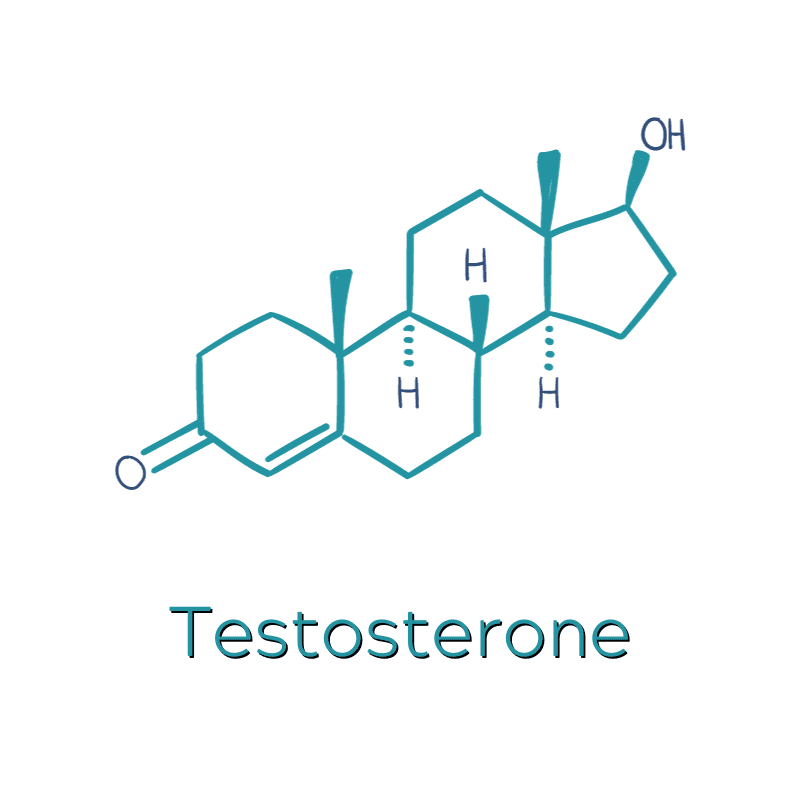
However, the relationship between sex hormones and autoimmunity is complex, and some studies have suggested that testosterone may actually contribute to the development of certain autoimmune diseases in males, such as Rheumatoid Arthritis (2).
Genetic Factors
Many autoimmune diseases have a strong genetic component, with certain genes predisposing individuals to developing a condition. Such genes may influence immune system function, regulating the production of antibodies and cytokines and the activation of immune cells (3).
Research has identified several genes that are associated with autoimmune diseases, including the human leukocyte antigen (HLA) genes, which play a critical role in the immune response. One study published in the journal Frontiers in Immunology found that certain HLA gene variants were associated with a higher risk of developing autoimmune diseases in both males and females, but the specific variants varied depending on the disease and the sex of the individual (4).
Studies have also found sex-specific genetic effects on autoimmune disease susceptibility.

For example, the X chromosome harbors many genes known to regulate and be involved in the immune response. Females have two copies of the X chromosome, while males have only one. This difference may contribute to the sex bias in autoimmune diseases.
“Increased expression of certain genes can regulate innate and adaptive immunity,” Taneja says.
For example, genetic studies have identified multiple genes associated with Systemic Lupus Erythematosus (SLE), many of which are located on the X chromosome. SLE is a chronic autoimmune disease that primarily affects females, with a female-to-male ratio of approximately 9:1 (5).
However, not all people with susceptible genes develop autoimmunity. Taneja says that is where the possibility of other factors arises. “It could be sex-specific, but still different for each person,” she says.
Environmental Exposures
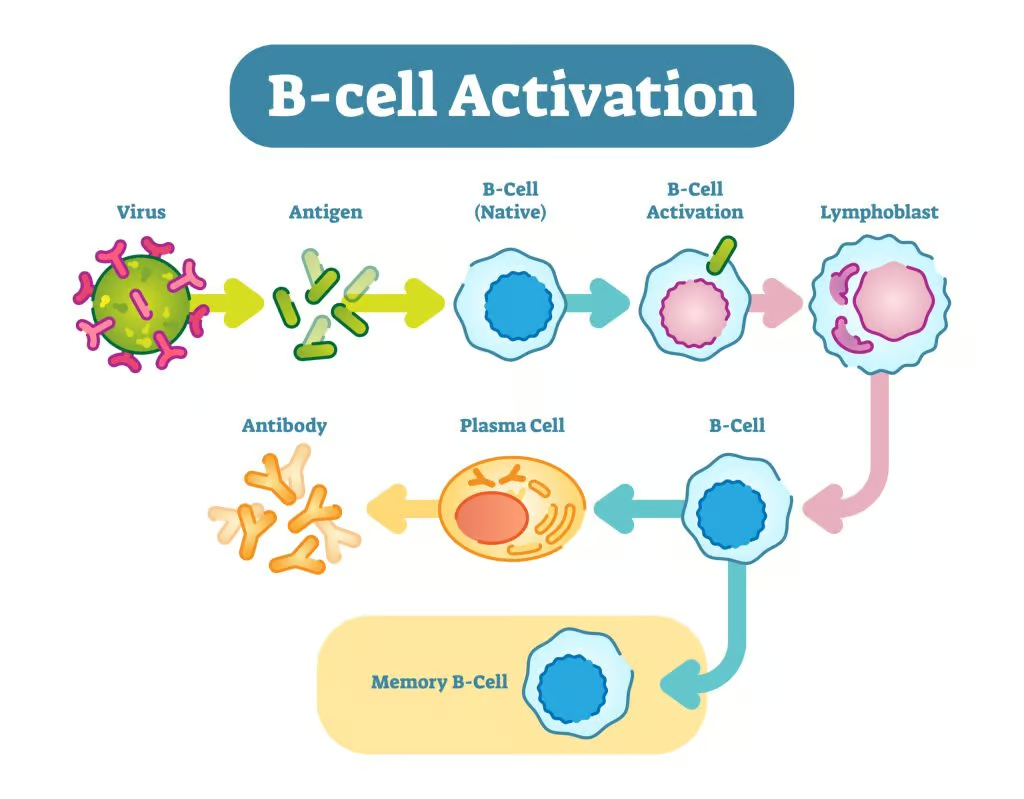
Environmental exposures may contribute to the development of autoimmunity and may differ between men and females. For example, viral infections have been implicated in the development of autoimmune diseases since some viruses can trigger the production of autoantibodies and activate the immune system.
An article published in the journal Trends in Immunology proposed that infection with the Epstein-Barr Virus (EBV) may contribute to the development of Multiple Sclerosis and SLE by infecting autoreactive B lymphocytes and triggering the production of autoantibodies (6). The researchers found that males who had been infected with EBV had a higher risk of developing MS than females who had been infected with the same virus.
Regardless of sex, toxins and chemicals have also been associated with autoimmune diseases (7), as well as diets and smoking. “[Males] and [females] have different lifestyles and dietary needs,” Taneja says. She notes the microbiome may also be a “black box” because the gut has the maximum number of antibody-producing B cells, which females have more of.
Males & Females: What Are The Differences In Autoimmune Flare-Ups?
When it comes to occurrence and severity, females tend to experience more frequent and severe flare-ups compared to males. The effects of female hormones on the immune system may play a role, as females experience hormonal changes throughout their lifetime, such as during menstruation, pregnancy, and menopause, which can affect their immune system and worsen flare-ups. Estrogen during pregnancy, for example, suppresses the immune response (8).
On the other hand, certain autoimmune diseases such as Ankylosing Spondylitis and Type 1 Diabetes may also have different patterns of flare-ups and symptoms in males compared to females. For example, a study by Veena Taneja and other authors published in the Journal of Rheumatology found that males with Ankylosing Spondylitis had more severe spinal inflammation and less peripheral joint involvement compared to females with the same condition (9).
Environmental factors, such as exposure to certain toxins or infectious agents, may also contribute to the occurrence and severity of autoimmune flare-ups. (10)
Males & Females: What Are The Differences In Autoimmunity Symptoms and Diagnosis?
Autoimmune diseases can affect individuals of any sex, age, or race, and can range from mild to severe, chronic conditions. However, research has shown that there are differences in autoimmune disease symptoms and diagnosis between males and females, which can impact management and treatment.
Symptoms
Autoimmune diseases can be accompanied by a variety of symptoms. For example, systemic lupus erythematosus (SLE) is a chronic autoimmune disease that can affect multiple organs and tissues in the body. Females with SLE are more likely to experience symptoms such as skin rashes, joint pain, and fatigue, while males are more likely to have issues with their kidneys (11). Females are also three times more likely than males to develop Rheumatoid Arthritis (RA), which affects joints and connective tissues. Females with RA are more likely to present with symmetrical joint pain, while males are more likely to present with asymmetrical joint pain (12).
Diagnosis
Autoimmune diseases can be challenging to diagnose due to the variability of symptoms and the lack of a single diagnostic test. There may also be differences in how autoimmune diseases are diagnosed between males and females. For example, a study of patients with SLE found that males were more likely than females to receive a delayed diagnosis due to the atypical presentation of symptoms (13), which can result in delayed treatment and increased disease severity. Males with RA may be less likely to receive a timely diagnosis for similar reasons (12).

Genetic testing can be used to identify genetic risk factors for autoimmune diseases and to guide treatment decisions. However, research has shown that genetic testing may also be underutilized in males with autoimmune diseases. (12)
Males & Females: What Are The Differences In Autoimmune Disease Management and Treatment?
While there are some differences in the occurrence and severity of autoimmune diseases between males and females, treatment approaches and medications are typically prescribed based on an individual’s disease activity, symptoms, and overall health status, rather than their sex.
However, some studies have suggested that females may respond differently to certain medications used to treat autoimmune diseases. In the opinion of Veena Taneja of the Mayo Clinic: “It is time treatments are thought of in terms of [the] sex of the patient because there is some literature that suggests that some treatments may be much more effective.”
For example, a study published in the journal Arthritis & Rheumatology found that females with RA had a higher risk of developing liver toxicity when taking methotrexate, a commonly used immunosuppressive medication, compared to men with the same condition (14). Another study published in the journal Clinical Rheumatology found that females with SLE had a higher risk of developing serious infections when taking high-dose corticosteroids compared to males with the same condition (11).
According to Taneja, comprehensive work on the aspects of sex bias is still needed. She says that
“A model where there is sex bias of disease that can explore all possibilities, will provide a comprehensive view of the problem, and expedite the solution.”

Sources
- Article Sources
Invernizzi, P., Pasini, S., Selmi, C., Gershwin, M. E., & Podda, M. (2009). Female predominance and X chromosome defects in autoimmune diseases. Journal of autoimmunity, 33(1), 12–16. https://doi.org/10.1016/j.jaut.2009.03.005
Cutolo, M., Seriolo, B., Villaggio, B., Pizzorni, C., Craviotto, C., & Sulli, A. (2002). Androgens and estrogens modulate the immune and inflammatory responses in rheumatoid arthritis. Annals of the New York Academy of Sciences, 966, 131–142. https://doi.org/10.1111/j.1749-6632.2002.tb04210.x
Gregersen, P. K., & Olsson, L. M. (2009). Recent advances in the genetics of autoimmune disease. Annual review of immunology, 27, 363–391. https://doi.org/10.1146/annurev.immunol.021908.132653
Ngo, S. T., Steyn, F. J., & McCombe, P. A. (2014). Gender differences in autoimmune disease. Frontiers in neuroendocrinology, 35(3), 347–369. https://doi.org/10.1016/j.yfrne.2014.04.004
D’Cruz, D. P., Khamashta, M. A., & Hughes, G. R. (2007). Systemic lupus erythematosus. Lancet (London, England), 369(9561), 587–596. https://doi.org/10.1016/S0140-6736(07)60279-7
Pender M. P. (2003). Infection of autoreactive B lymphocytes with EBV, causing chronic autoimmune diseases. Trends in immunology, 24(11), 584–588. https://doi.org/10.1016/j.it.2003.09.005
Parks, C. G., Costenbader, K. H., Long, S., Hofmann, J. N., Beane, F. L. E., & Sandler, D. P. (2022). Pesticide use and risk of systemic autoimmune diseases in the Agricultural Health Study. Environmental research, 209, 112862. https://doi.org/10.1016/j.envres.2022.112862
Robinson, D. P., & Klein, S. L. (2012). Pregnancy and pregnancy-associated hormones alter immune responses and disease pathogenesis. Hormones and behavior, 62(3), 263–271. https://doi.org/10.1016/j.yhbeh.2012.02.023
Li, L. L., Fu, J., Xu, C., Ni, M., Chai, W., Hao, L. B., Zhou, Y. G., & Chen, J. Y. (2022). Gender Differences in Ankylosing Spondylitis Patients with Advanced Hip Involvement: Results from A Matched Retrospective Cohort Study. Orthopaedic surgery, 14(2), 405–410. https://doi.org/10.1111/os.13123
Parks, C. G., Miller, F. W., Pollard, K. M., Selmi, C., Germolec, D., Joyce, K., Rose, N. R., & Humble, M. C. (2014). Expert panel workshop consensus statement on the role of the environment in the development of autoimmune disease. International journal of molecular sciences, 15(8), 14269–14297. https://doi.org/10.3390/ijms150814269
Nusbaum, J. S., Mirza, I., Shum, J., Freilich, R. W., Cohen, R. E., Pillinger, M. H., Izmirly, P. M., & Buyon, J. P. (2020). Sex Differences in Systemic Lupus Erythematosus: Epidemiology, Clinical Considerations, and Disease Pathogenesis. Mayo Clinic proceedings, 95(2), 384–394. https://doi.org/10.1016/j.mayocp.2019.09.012
Singh, J. A., Saag, K. G., Bridges, S. L., Jr, Akl, E. A., Bannuru, R. R., Sullivan, M. C., Vaysbrot, E., McNaughton, C., Osani, M., Shmerling, R. H., Curtis, J. R., Furst, D. E., Parks, D., Kavanaugh, A., O’Dell, J., King, C., Leong, A., Matteson, E. L., Schousboe, J. T., Drevlow, B., … American College of Rheumatology (2016). 2015 American College of Rheumatology Guideline for the Treatment of Rheumatoid Arthritis. Arthritis care & research, 68(1), 1–25. https://doi.org/10.1002/acr.22783
Murphy, G., & Isenberg, D. (2013). Effect of gender on clinical presentation in systemic lupus erythematosus. Rheumatology (Oxford, England), 52(12), 2108–2115. https://doi.org/10.1093/rheumatology/ket160
Zanetti, A., Zambon, A., Scirè, C. A., & Bortoluzzi, A. (2022). Impact of rheumatoid arthritis and methotrexate on pregnancy outcomes: retrospective cohort study of the Italian Society for Rheumatology. RMD open, 8(2), e002412. https://doi.org/10.1136/rmdopen-2022-002412