Culinary Medicine: Autoimmunity and Healthy Eating
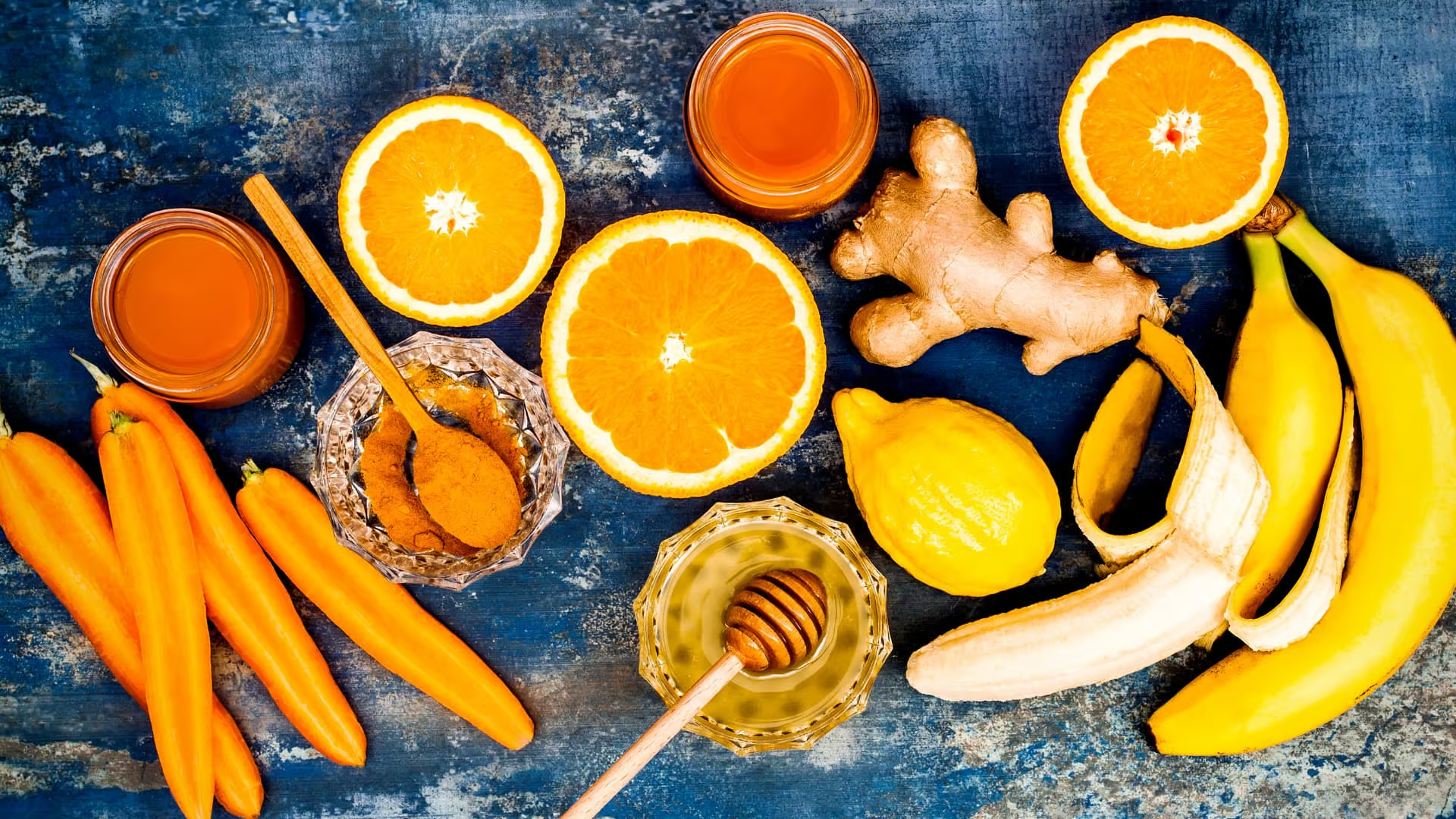
You may already know that eating a balanced diet supports a healthy lifestyle. If you have an autoimmune disease, you may also know that eating well and eliminating unhealthy foods, in addition to other beneficial habits (such as managing stress and sleeping well), may reduce the risk of developing unwanted signs and symptoms.
Examples of foods and food components to cut down for a healthier life include processed and fried foods, sugar-sweetened foods and drinks, and refined carbohydrates. However, identifying the foods that can specifically initiate your flare-ups may help you heal and feel better as you manage your autoimmune condition. Read more about the diets you can consider following to minimize triggers, and talk to your healthcare provider about which one may work best for you.
Anti-Inflammatory Diets
Inflammation is a process that helps the body recognize and fight foreign invaders such as microbes. Once the invaders are eliminated, inflammation resolves, and the body tissue heals (1). Sometimes the invasion comes from specific components (for example, food dyes), so, if you regularly eat certain foods, inflammation may persist and lead to chronic illnesses (1, 2).
The signs and symptoms observed in people with autoimmune diseases (fatigue, pain, headaches, and sleep problems) may, among other factors, be triggered by foods that cause inflammation (1, 2) and other responses that, in turn, damage the intestinal tract and breach other organs (3).
The anti-inflammatory diet recommends eliminating foods that may initiate inflammation in favor of healthier ones that help repair the digestive system and other organs and tissues (2).
Foods to avoid in anti-inflammatory diets:
- Red and processed meats
- Refined sugars
- Fried foods
- Margarine or shortening
- Dairy
- Alcohol
- Soda
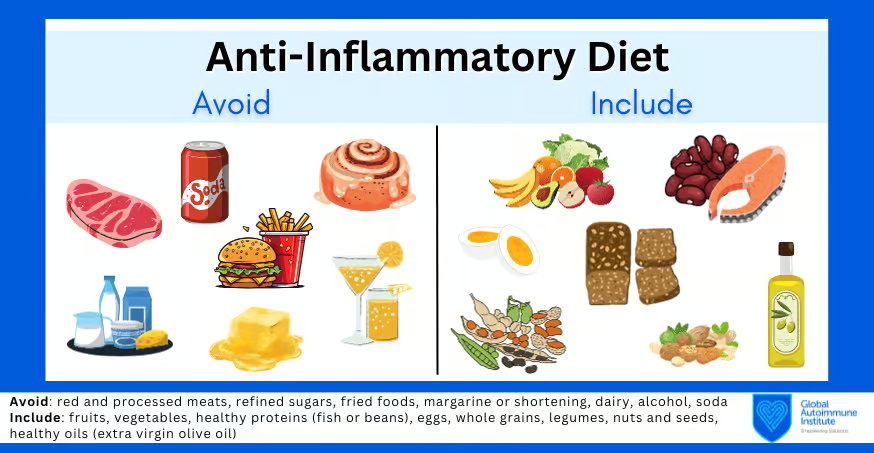
In contrast, eating foods recommended as part of a Mediterranean diet plan may help fight inflammation and help heal the body (4):
- Fruits
- Vegetables
- Healthy proteins (fish or beans)
- Eggs
- Whole grains
- Legumes
- Nuts and seeds
- Healthy oils (extra virgin olive oil)
Anti-inflammatory food plans also include vegetarian, vegan, and ketogenic diets and foods rich in omega-3 fatty acids and fiber (5).
The lack of direct scientific evidence on the link between nutrition and autoimmunity has greatly influenced dietary advice for some autoimmune diseases.
A few studies showed reduced joint pain and swelling, and improved inflammation in people with rheumatoid arthritis (RA) who followed anti-inflammatory diets (5, 6, 7), but other investigators indicated that evidence is still needed to establish a stronger relationship between anti-inflammatory foods and RA (8).
Anti-inflammatory diets may also help patients with other autoimmune diseases. Examples include some improvement in the signs and symptoms of Hashimoto’s disease (9) and reduced flare-ups of inflammatory bowel disease (IBD), which includes Crohn’s disease and ulcerative colitis (10).
The Autoimmune Protocol (AIP) Diet
The Autoimmune Protocol (AIP) is a type of anti-inflammatory diet that was specifically designed to remove foods that may cause inflammation and, thus, lead to flare-ups in people with autoimmune diseases. The AIP diet is stricter than other anti-inflammatory diet plans because the list of foods considered to be inflammatory is longer. Therefore, some of the items allowed in the Mediterranean and anti-inflammatory diets (see list below) should be eliminated here (11).
Additional foods to avoid in the AIP diet:
- Nightshade vegetables (tomatoes, peppers, eggplants, potatoes)
- Spices derived from nightshade vegetables (such as paprika)
- Eggs
- Legumes
- Grains
- Nuts and seed
- Oils
- Coffee
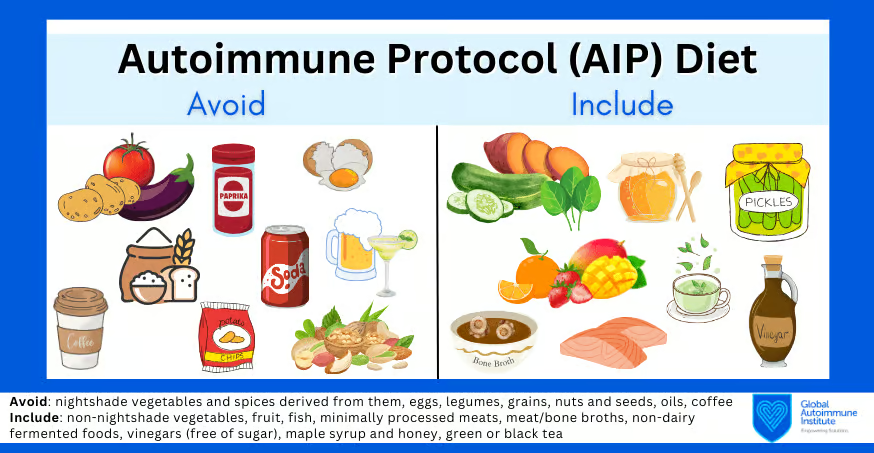
Foods to eat in the AIP diet (11, 12):
- Vegetables (except for nightshade vegetables and algae)
- Fruit
- Fish
- Minimally processed meats (wild game, poultry, and organ meat)
- Meat and bone broths
- Non-dairy fermented foods (pickles, sauerkraut)
- Vinegar (free of sugars)
- Maple syrup and honey
- Tea (green, black)
The AIP is an elimination diet and includes three distinct phases.
In the elimination phase, foods thought to cause inflammation are removed in favor of nutrient-dense foods (see lists above). As disease manifestations improve, a person will enter the reintroduction phase, where foods are brought back one by one, and signs or symptoms are observed before the next item is added back (11, 12). Foods such as dairy products may be reintroduced in a certain order, starting from the ones with a lower concentration of lactose (11). The maintenance phase focuses on long-term personalized plans to safeguard a person’s health.
Diet diversity and flexibility are encouraged but foods that continue to trigger inflammation should be eliminated. New foods should not be reintroduced in people who have an infection, sleeping problems, or any other new stressor that may increase inflammation levels because this may interfere with results interpretation (11).
Research studies have indicated that the AIP diet may relieve signs and symptoms of inflammation, especially in people with Hashimoto’s thyroiditis and IBD (13, 14, 15), but the science behind the effectiveness of this diet in autoimmune disease is poorly understood.
What Diet Is Best For You?
Selecting the best diet for an autoimmune disease should be part of a well-thought-out personalized lifestyle plan that also includes proper exercise, sleep, and treatment. Talk to your doctor and dietitian to identify what foods you should eat and discuss the implications and solutions of highly restrictive diets in your daily routine, health condition, and social life.
Can Vitamins And Other Supplements Help?
Research on the beneficial effects that vitamins and other supplements may have on autoimmune disease is also limited. A 2022 clinical study reported that adults who took vitamin D and omega-3 fatty acids over the course of 5 years had lower risk of developing RA, polymyalgia rheumatica, and psoriasis (16). A Harvard Health Publishing article indicated the validity of the clinical study’s results, but also listed its limitations and highlighted that data should be confirmed by other researchers (17).
Always talk to your doctor before taking dietary supplements, keeping in mind that you will get vitamins, minerals, and other nutrients from wholesome foods and a diet that works for you.
About The Author
Damiana Chiavolini, MS, PhD is a freelance writer who specializes in medical and life science topics. As a trained researcher, she authored journal articles in the areas of infection and immunity and wrote booklets and book chapters about different diseases. As a professional communicator, she writes feature articles for magazines and other publications and produces content for higher education platforms. Damiana is also an experienced academic editor, microbiology educator, writing coach, and fragrance blogger. She is a contributing member of the American Medical Writers Association, the immediate past president of the association’s Southwest Chapter, and a professional member of the National Association of Science Writers.

Sources
- Article Sources
Sears B. & Saha A.K. (2021). Dietary control of inflammation and resolution. Frontiers in Nutrition, 8:709435.https://pubmed.ncbi.nlm.nih.gov/34447777/
Harvard Health Publishing. Foods that fight inflammation. https://www.health.harvard.edu/staying-healthy/foods-that-fight-inflammation
Vojdani A. et al. (2020). Interaction between food antigens and the immune system: Association with autoimmune disorders. Autoimmunity Reviews, 19(3):102459. https://pubmed.ncbi.nlm.nih.gov/31917265/
Martinez-Gonzalez M.A. & Martin-Calvo N. (2016). Mediterranean diet and life expectancy; beyond olive oil, fruits, and vegetables. Current Opinion in Clinical Nutrition and Metabolic Care, 19(6):401-407.https://pubmed.ncbi.nlm.nih.gov/27552476/
Schonenberger K.A. (2021). Effect of Anti-Inflammatory Diets on Pain in Rheumatoid Arthritis: A Systematic Review and Meta-Analysis. Nutrients, 13(12):4221. https://pubmed.ncbi.nlm.nih.gov/34959772/
Wadell A. et al. (2020). Anti-inflammatory Diet In Rheumatoid Arthritis (ADIRA)-a randomized, controlled crossover trial indicating effects on disease activity. American Journal of Clinical Nutrition, 111(6):1203-1213.https://pubmed.ncbi.nlm.nih.gov/32055820/
Wadell A. et al. (2023). Dietary biomarkers and food records indicate compliance to study diets in the ADIRA (Anti-inflammatory Diet In Rheumatoid Arthritis) trial. Frontiers in Nutrition, 10:1209787.https://pubmed.ncbi.nlm.nih.gov/37426179/
Rayman M.P. & Saad R. (2020). Proof is still needed that an anti-inflammatory diet can benefit rheumatoid arthritis patients. American Journal of Clinical Nutrition, 111(6):1119-1120. https://pubmed.ncbi.nlm.nih.gov/32320014/
Inhatowicz P. et al. (2020). The importance of nutritional factors and dietary management of Hashimoto’s thyroiditis. Annals of Agricultural and Environmental Medicine, 27(2):184-193.https://pubmed.ncbi.nlm.nih.gov/32588591/
Campsman-Kuijpers & Dijkstra G. (2021). Food and good groups in inflammatory bowel disease (IBD): the design of the Groningen Anti-Inflammatory Diet (GrAID). Nutrients, 13(4):1067.https://pubmed.ncbi.nlm.nih.gov/33806061/
Healthline. AIP (Autoimmune Protocol) diet: A beginner’s guide. https://www.healthline.com/nutrition/aip-diet-autoimmune-protocol-diet
Cleveland Clinic. A little of this and that: Your guide to the AIP diet. https://health.clevelandclinic.org/aip-diet-autoimmune-protocol-diet/
Abbott R.D. et al. (2019). Efficacy of the autoimmune protocol diet as part of a multi-disciplinary, supported lifestyle intervention for Hashimoto’s thyroiditis. Cureus, 11(4):e4556. https://pubmed.ncbi.nlm.nih.gov/31275780/
Konijeti G.G. et al. (2017). Efficacy of the autoimmune protocol diet for inflammatory bowel disease. Inflammatory Bowel Diseases, 23(11):2054-2060. https://pubmed.ncbi.nlm.nih.gov/28858071/
Chandrasekaran A. et al. (2019). An autoimmune protocol diet improved patient-reported quality of life in inflammatory bowel disease. Crohn’s and Colitis 360, 1(3):otz019. https://pubmed.ncbi.nlm.nih.gov/31832627/
Hahn J. et al. (2022). Vitamin D and marine omega 3 fatty acid supplementation and incident autoimmune disease: VITAL randomized controlled trial. BMJ, 376:e066452. https://pubmed.ncbi.nlm.nih.gov/35082139/
Shmerling RH. Harvard Health Publishing. Can vitamin D supplements prevent autoimmune disease?https://www.health.harvard.edu/blog/can-vitamin-d-supplements-prevent-autoimmune-disease-202203242712