A Guide for Immunocompromised Individuals in a Post-Pandemic World
Navigating Mask-Wearing
Even before the COVID pandemic spotlighted the vulnerability of immunocompromised people to infection, people with compromised immune systems were challenged with staying healthy in an infectious microorganism-filled world. The pandemic, however, brought these struggles into sharper focus.
Understanding the Risks for Immunocompromised Individuals
Immunocompromised people are at greater risk of contracting infections and having severe disease than people with normally functioning immune systems (1). Vaccines, like the COVID-19 vaccine, are critical factors in decreasing the prevalence and severity of contagious diseases in the general population. People who are immunocompromised can have a weaker response and, therefore, less protection against infections (2).
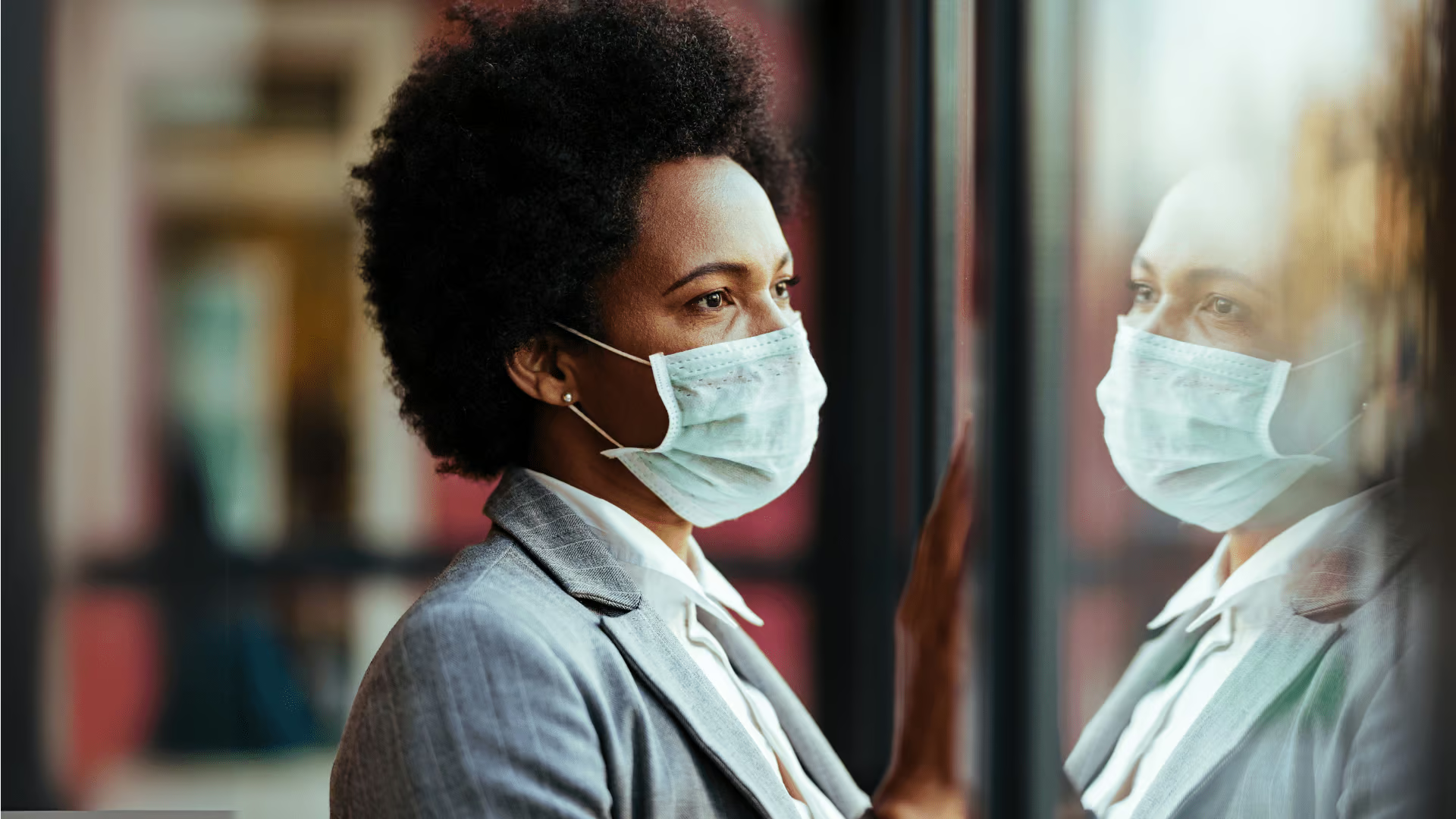
More than four years after the start of the COVID pandemic, few people wear masks in private or public settings. However, immunocompromised people are still at high risk of serious illness from COVID and other contagious diseases. New York-based therapist and chronic illness expert Jodi Taub, LCSW, PLLC, notes that in addition to the risk of infection, immunocompromised people deal with the emotional and mental impact related to the stigma of masking.
The Polarization of Mask-Wearing
Unlike other medical devices, wearing a respirator or a mask has become a polarizing topic that can distract from the intent of these devices. Dr. Judy Stone, an infectious disease physician and author in Maryland, says, “A huge problem we’re all facing is the incredible denial that COVID is an ongoing problem. This comes from the government declaring that ‘the pandemic is over’ and continual downplaying of the magnitude of the ongoing pandemic.” Dr. Stone notes that some people may lash out when seeing someone in a mask reminds them of the ongoing risks.
It is essential to understand the challenges immunocompromised individuals face and how they can best navigate living in an unmasked, post-pandemic world.
How Does the Immune System Work?
Before we can understand the risks of infection to people with compromised immune systems, it’s helpful to know how the immune system works.
The immune system fights foreign substances, such as bacteria, allergens, or toxins, that can cause problems in our bodies. Our immune systems are made up of a complex network of organs, tissues, and cells (3). These body parts work together to identify invaders and produce antibodies to attack foreign substances entering the body.
How Can the Immune System Malfunction?
In some people, the immune system does not function as it should. It can be dysfunctional, meaning it fails to respond adequately to invaders or overactive, attacking the body’s tissues.
Dysfunctional immune system
People with dysfunctional immune systems, such as immunocompromised people, may mount a weak response or no response at all to foreign substances in the body. These people are at greater risk of getting an infection or having an infection become serious or even life-threatening.
Immunocompromised people, a heterogeneous group of youth and adults, include people with immunodeficiency disorders and transplant patients. Certain medications, like those taken by people with autoimmune diseases such as systemic lupus erythematosus, rheumatoid arthritis, and ulcerative colitis, cause a type of immunocompromise referred to as immunosuppression.
Overactive immune system
Some people’s immune systems are activated when they don’t need to be. In people with autoimmune diseases, the immune system mistakenly identifies its own tissue as foreign, damaging it. People who experience allergies have immune systems that mount a large response to harmless foreign invaders.
Some people can be both immunocompromised and have an overactive immune system. For example, many people with autoimmune diseases, such as systemic lupus erythematosus and rheumatoid arthritis, take immunosuppressive medications to treat their disease (4).
What Precautions Should You Take if You’re Immunocompromised?
If you’re immunocompromised, there are steps you, and people in close contact with you, can take. According to Dr. Stone, basic measures, such as improving ventilation by opening windows and masking in enclosed or crowded spaces, remain important for protecting medically vulnerable individuals from infection.
While vaccines may not offer complete protection in immunocompromised people, they can still provide some defense against infection and serious illness. For people with moderate to severe immunocompromise, the CDC recommends the following precautions to protect against infections (2):
- Get an updated COVID-19 vaccine
- Improve ventilation and spend time outdoors when possible
- Learn testing and treatment options before getting exposed or sick
- Get tested if you’ve been exposed or have symptoms
- Wash your hands often
- Wear a well-fitting respirator or mask and maintain distance in crowded spaces
The Impact of Mask-Wearing on Relationships
As mask-wearing becomes less common, immunocompromised individuals often find themselves vulnerable. Deciding which protective measures to take is a personal choice, but many ask those close to them—such as family, friends, classmates, coworkers, caregivers, and healthcare providers—to wear masks in their presence.
Requesting someone to wear a mask can feel uncomfortable, but clear communication helps. Explain your health condition and how wearing a mask can help protect you. Most people are more cooperative when the request is framed as a polite ask rather than a demand.
However, cooperation varies. Dr. Stone describes difficulties that arise when some healthcare professionals refuse to wear masks upon request by an immunocompromised person. Conflict can also arise in the workplace, school, and public settings. The obstacles immunocompromised people encounter when advocating for their physical health can negatively impact their mental health and well-being.
Ms. Taub highlights the unwanted attention that masking has brought some immunocompromised people. She observes, “[Before], their illness was invisible, and now with masking, a lot of people who are immunocompromised have had to face being visible and what that means to them.”
Are there Legal Protections for Mask-Wearing Requests?
The answer isn’t clear. The Americans with Disabilities Act of 1990 (ADA) protects the rights of people with disabilities, including those with chronic illnesses, such as immunocompromised individuals (5). The ADA protects individuals with disabilities from being denied access to services because of limitations related to their disability.
For many immunocompromised people, requesting that people they’re in close contact with, such as healthcare providers, wear masks enables them to safely and fully access healthcare and other services. However, as Dr. Stones discussed in a recent article, some healthcare institutions and providers disagree that masking falls under the ADA and refuse to require it. This opposition has led some patients to forgo medical care, fearing for their health.
Healthcare advocates are working to clarify the ADA’s provisions to protect immunocompromised individuals better.
How does Mask-Wearing affect Mental Health?
Immunocompromised individuals constantly weigh the risks of spending time in enclosed or public spaces. Balancing the desire to stay physically healthy and maintain mental well-being can make these decisions challenging. Relationships with loved ones, access to essential services, and the ability to move freely through the world all play a role in overall well-being.
Mental health challenges are common among those with chronic illnesses like immunodeficiencies or autoimmune disorders. These individuals may face:
- Anxiety
- Depression
- Isolation/loneliness
- Lack of medical care
- Work-related difficulties
How can People who are Immunocompromised Manage Masking-Related Challenges?
Navigating the world when you are immunocompromised can be challenging, but there are ways to make it a little easier. Surrounding yourself with supportive and informed people is important. It’s also helpful to find spaces and communities that are sensitive and responsive to the needs of immunocompromised people.
Here are some other ways to get help:
- Seek support from friends and family.
- Utilize adapted healthcare settings such as telehealth.
- You can join disease-specific support groups either in person or online through platforms such as myHealthteam, PatientsLikeMe, The Mighty, Immune Deficiency Foundation, or condition-specific Facebook groups.
- See a counselor/therapist for support and help with coping strategies.
- Find service providers that offer empathetic, adaptive care when possible.
- Contact a patient advocate group, such as the Disability Rights Education & Defense Fund (DREDF) or the National Patient Advocate Foundation (NPAF), to protect your legal rights.
Being immunocompromised can make navigating a world that is not adapted to your unique needs challenging. However, finding support and developing a plan can make the challenges a little more manageable.

About the Author

Tracy is a writer, child and adolescent psychiatrist, and leadership coach. Her journey into the world of autoimmune diseases began when she experienced sudden onset symptoms of multiple sclerosis early in her medical career. This personal experience, combined with her intense curiosity, has informed her work and writing in the field. As a writer, Tracy has contributed to various books and written articles related to mental health. She’s also written on various medical topics regularly contributing to publications such as GoodRx, Psychology Today, and Psychotherapy.net

Sources
- Source
Agrati, C., et al. (2023). Emerging viral infections in immunocompromised patients: A great challenge to better define the role of immune response. Frontiers in Immunology, 14, 1147871.
Patel, P. et al. (2023) Information for Persons Who Are Immunocompromised Regarding Prevention and Treatment of SARS-CoV-2 Infection in the Context of Currently Circulating Omicron Sublineages — United States, January 2023. CDC Morbidity and Mortality Weekly Report, 72(5);128–131.
MedlinePlus [Internet]. (cited August 16, 2024). Immune System and Disorders; [updated 2023 Dec 26].
American Academy of Allergy, Asthma, and Immunology [Internet]. (cited August 20, 2024) Immunosuppressive Medication for the Treatment of Autoimmune Disease ; [Updated June 17, 2024].
US Department of Justice: Civil Rights Division [Internet]. (cited August 20, 2024) Americans with Disabilities Act of 1990, As Amended.