Is Your Oral Microbiome Fueling Autoimmune Disease?
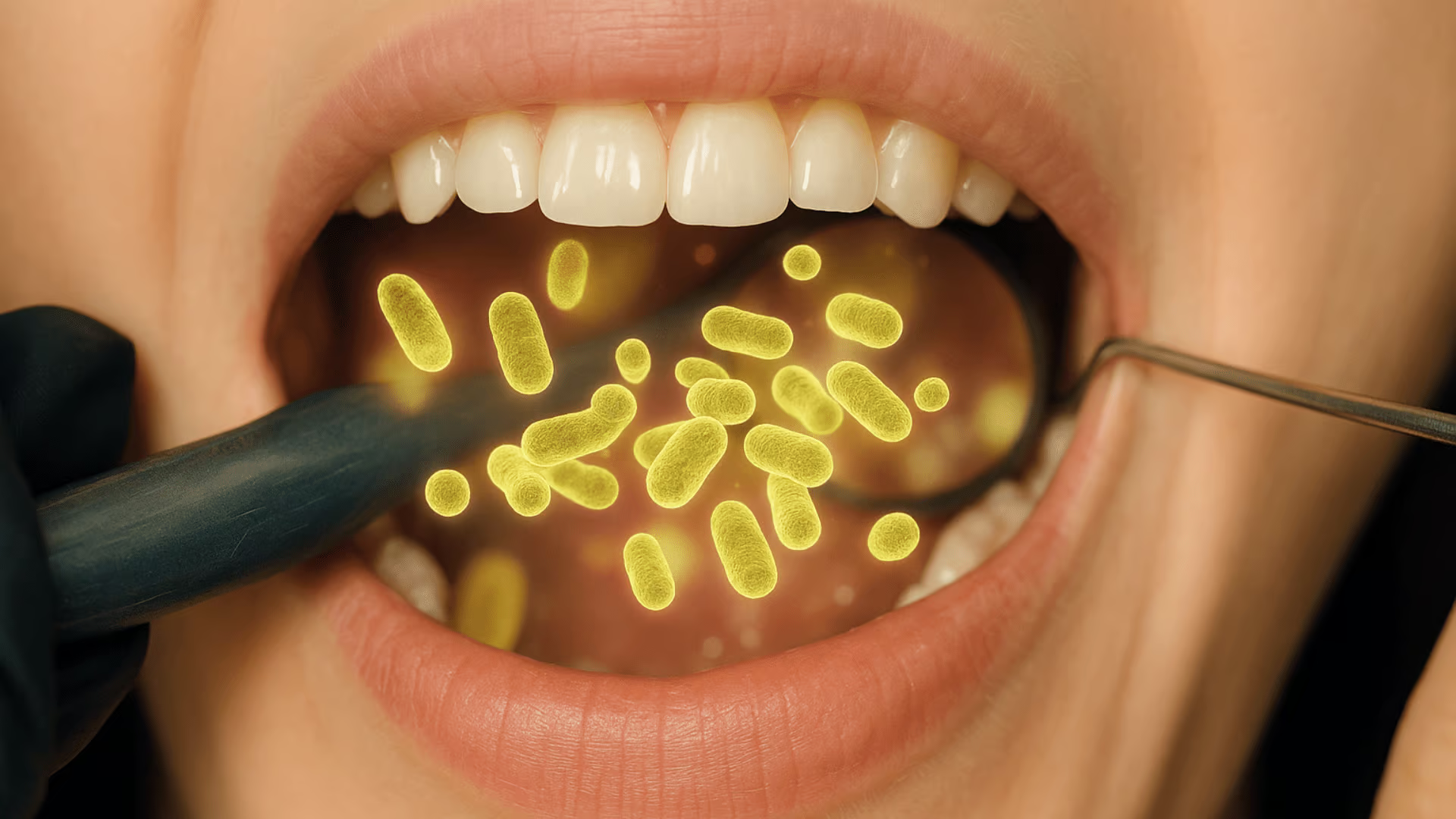
Trillions of microorganisms colonize our bodies. These microorganisms, collectively known as the microbiome, help us out in many ways, from protecting us from invading bacteria to digesting our food. However, the microbiome can sometimes get out of balance, which has been correlated with a variety of diseases, including autoimmune diseases.
In this article, we examine the oral microbiome, oral dysbiosis, and their connections to autoimmunity.
What is the Oral Microbiome?
The oral microbiome is the community of microorganisms in the mouth that colonize our saliva, teeth, gums, cheeks, tongue, hard and soft palates, and tonsils. We acquire our oral microbiomes beginning at birth, and our encounters further shape the microbiome throughout life.
With approximately 700 species identified (1) as part of the oral microbiome, it is one of the most diverse and abundant microbial communities in the human body, second to the gut microbiome.
The microbes in our oral cavity have many roles (2), including:
- Maintaining homeostasis in the mouth
- Preventing invading microorganisms from colonizing
- Maintaining the balance between pro-inflammatory and anti-inflammatory processes
- Developing allergic responses
- Disease development
What is Oral Dysbiosis?
Ideally, the oral microbiome and the immune system work together. When the balance of microbes gets disrupted, our microbiome becomes “dysbiotic” or out of balance. This dysbiosis causes issues in our mouths (ex: periodontitis) and has impacts on diseases beyond the oral cavity (3).
Some common oral bacteria involved in oral disease include:
- Porphyromonas gingivalis: Associated with gum disease (periodontitis)
- Streptococcus mutans: Associated with dental cavities
- Fusobacterium nucleatum: Associated with periodontitis
“Once the oral microbiome becomes dysbiotic, they trigger the immune system to attack them,” says Jan Potempa, professor in the Department of Oral Immunology and Infectious Diseases at the University of Louisville.
“Many diseases actually can be linked to periodontitis.” Scientists have found connections between oral dysbiosis and immune disorders, cardiovascular disease, diabetes, and respiratory diseases.
Common causes of oral dysbiosis include:
Poor oral hygiene
Smoking
Taking antibiotics
Infections
Diet
How is Oral Dysbiosis and Autoimmunity Connected?
“There was this very interesting observation 120 years ago where physicians at the time made the connection between the presence of bad oral hygiene and the presence of severe arthritis,” says Maximilian Konig, Assistant Professor of Medicine in the Division of Rheumatology and Director of the Cellular Therapy Program (Autoimmunity) in the Department of Medicine at the Johns Hopkins University School of Medicine. We now understand more about the connection between oral health and rheumatoid arthritis, but it’s often hard to tease apart what came first: oral dysbiosis or autoimmune disease.
Most of the studies on the microbiome to date have been descriptive: what microbes are there and what are they associated with? “In patients who have autoimmune disease, we see changes in the microbiome and we associate that with dysbiosis. It’s still very hard to know what is the cause and what is the effect,” says Konig, who studies the role of the oral microbiome in rheumatoid arthritis. For example, chronic inflammation affects how microbes colonize mucosal surfaces. Conversely, immunosuppressants, used to treat autoimmune diseases, impact how the immune system responds to pathogens.
Potempa, who studies the enzymes of periodontal bacteria, describes this conundrum in terms of our behavior. Do we see poor oral hygiene because joint problems arising from rheumatoid arthritis make it difficult to brush our teeth? Or does poor oral hygiene itself cause rheumatoid arthritis?
To better understand the connections between oral microbes and autoimmunity, Konig and Potempa both think that we need to dig deeper into the mechanisms behind these associations.
How Oral Dysbiosis Impacts the Gut and Autoimmunity
While the manifestation of autoimmune disease is multifaceted and involves multiple mechanisms, these studies highlight how microbes in our mouths have such widespread impact (2). These include:
Microbial translocation
Microbial translocation occurs when microbes travel from the mouth, through the bloodstream, and to other organs. This can occur from invasive oral treatment, ulcers, and periodontitis, for example.
- S. mutans and colitis
When S. mutans enters the bloodstream, it can increase the severity of colitis by increasing the secretion of the cytokine interferon-gamma (4). Abnormal interferon-gamma levels are linked to the development and severity of autoimmune diseases (5). - Klebsiella and Inflammatory Bowel Disease
When Klebsiella strains from the oral microbiota colonize the gut, they activate T helper 1 immune cells and cause severe gut inflammation (6). - P. gingivalis and gut dysbiosis
P. gingivalis, when found in the gut, alters gene expression of tight junction proteins in the gut and increases gut permeability (7).
Autoantigen overproduction
Autoantigens are specific substances (ex: proteins, DNA) in our bodies that trigger an immune response against our own bodies. Normally, self-antigens don’t trigger an immune response.
- P. gingivalis and rheumatoid arthritis
P. gingivalis is involved in a process called protein citrullination, which triggers our bodies to produce autoantibodies against citrullinated proteins. “You can detect these autoantibodies 10 years before the first clinical symptoms of rheumatoid arthritis,” says Potempa.
Molecular mimicry
Molecular mimicry is based on commonalities between amino acid sequences of foreign proteins (ex: bacteria) and our own proteins. If the immune system recognizes one of these regions in a foreign protein, it could launch an immune response against a similar protein from our bodies. However, there are many instances where small portions within proteins have similarity between species. “It’s very hard to disprove or prove because molecular mimicry exists everywhere,” says Konig.
- Group A streptococci and rheumatic heart disease
The M protein from Group A streptococcus, which causes strep throat, has similarities to the cardiac myosin, leading scientists to hypothesize a connection between these microbes and chronic rheumatic heart disease (8). - Bacillus cereus and Sjögren’s syndrome
The self-autoantigen, Ro 60kDa, is detected in Sjögren’s syndrome and has high similarity to proteins within B. cereus (3).
Increased cytokine production
Cytokines are proteins that help immune cells communicate with each other. There are both pro-inflammatory and anti-inflammatory cytokines and the increased production of specific cytokines has been linked to the development of autoimmune diseases. Here’s how the oral microbiome can be involved:
- P. gingivalis and rheumatoid arthritis
P. gingivalis promotes the production of rheumatoid arthritis-related cytokines (9). - F. nucleatum and IBD
F. nucleatum is enriched in the gut of IBD patients and promotes the expression of several proinflammatory cytokines (10).
How to Take Care of Your Oral Microbiome
Potempa describes autoimmunity as a coming together of three factors: genetics, environment, and oral hygiene. While we can’t control our genetics, we can make a difference in our environment and oral hygiene in efforts to prevent autoimmune diseases from getting worse or arising in the first place.
Some ways to improve our oral health include:
Brushing and flossing daily
Getting regular dental checkups
Preventing dry mouth which can increase risk of cavities
Avoiding smoking
Eating a healthy diet
Beyond at-home care, scientists have been exploring the idea of vaccinating against oral pathogens. “If we can get vaccinated and eliminate Porphyromonas gingivalis from our oral cavity, we might decrease the chances of developing autoimmune disease like rheumatoid arthritis,” says Potempa.

About the Author

A microbiologist turned freelance science writer who works with life science companies, nonprofits, and academic institutions on anything from news stories, explainer articles, and content marketing. She shares the wonderful world of microbes on her blog The Microbial Menagerie.

Sources
- Article Sources
Dewhirst, F. et al. (2010). The Human Oral Microbiome. Journal of Bacteriology, 192(19): 5002–5017.
Deo, P. & Deshmukh, R. (2019). Oral microbiome: Unveiling the fundamentals. Journal of Oral and Maxillofacial Pathology, 23(1):122.
Huang, X. et al. (2023). The oral microbiome in autoimmune diseases: Friend or foe? Journal of Translational Medicine, 21(1).
Kojima, A. et al. (2013). Aggravation of inflammatory bowel diseases by oral streptococci. Oral Diseases, 20(4):359–366.
Pollard, K. et al. (2013). Interferon-γ and Systemic Autoimmunity. Discovery Medicine, 16(87): 123-131
Atarashi, K. et al. (2017). Ectopic colonization of oral bacteria in the intestine drives T H 1 cell induction and inflammation. Science 358(6561): 359–365.
Arimatsu, K. et al. (2014). Oral pathobiont induces systemic inflammation and metabolic changes associated with alteration of gut microbiota. Scientific Reports, 4(1).
Guilherme, L. et al. (2006). Molecular mimicry in the autoimmune pathogenesis of rheumatic heart disease. Autoimmunity, 39(1): 31-39.
Marchesan, J. et al. (2013). Porphyromonas gingivalis oral infection exacerbates the development and severity of collagen-induced arthritis. Arthritis Research & Therapy, 15(6).
Liu, H. et al. (2020). Fusobacterium nucleatum exacerbates colitis by damaging epithelial barriers and inducing aberrant inflammation. Journal of Digestive Diseases, 21(7): 385–398.