Living with Autoimmune Gastritis: What You Need to Know
Sandy, a 52-year-old woman, faced an uphill battle after being diagnosed with autoimmune gastritis. Everyday foods like grains, starchy vegetables, and even a small amount of sugar triggered a host of uncomfortable symptoms—nausea, bloating, constipation, and a painful burning sensation. Despite her best efforts to stick to a strict diet, Sandy still found herself waking up several times a night, leaving her feeling exhausted and overwhelmed. It wasn’t just the physical symptoms that took a toll. The stress of constantly monitoring her diet and dealing with the unpredictability of her health weighed heavily on her mental and emotional well-being. Sandy’s journey with autoimmune gastritis is a testament to the complex ways in which this condition can affect every aspect of a person’s life.
What is Autoimmune Gastritis?
Like Sandy, it’s estimated that 0.5%-4.5% of adults worldwide have autoimmune gastritis (1). Autoimmune gastritis is a chronic inflammatory condition of the stomach lining. The body’s antibodies, autoantibodies, attack the acid-producing cells that make up the stomach lining.
The symptoms of autoimmune gastritis can be non-specific and, therefore, are often ignored or misdiagnosed. As a result, in many cases, diagnosis isn’t made until later in the disease.
What Causes Autoimmune Gastritis?
The exact cause of autoimmune gastritis is unknown, although genetics seem to be a significant factor (2).
Other risk factors:
Older age
Female sex
Having another autoimmune disease
Family history
While older age increases the risk of developing autoimmune gastritis, it can also appear in children and teens. A lack of research on youth may be one reason that the disease has been under-recognized in this group.
The gut microbiome might also play a role in autoimmune gastritis.
According to Kellie Blake RDN, LD, IFNCP, a registered dietitian specializing in functional nutrition, an unbalanced gut microbiome contributes to increased intestinal permeability (leaky gut) and inflammation. Research has shown a connection between a leaky gut and some autoimmune diseases like autoimmune gastritis.
How Do I Know if I Have Autoimmune Gastritis?
Early disease
Early in the disease, individuals who have autoimmune gastritis may experience general stomach complaints. However, these symptoms are non-specific and can indicate problems other than autoimmune gastritis. If you’re experiencing such complaints, it’s important to talk to your healthcare provider for a correct diagnosis.
Common symptoms:
Upper abdominal pain
Heartburn
Bloating
Feeling full quickly
Late disease
The destruction of acid-producing cells interferes with vitamin B12 absorption, a key component of red blood cell production. In later stages of autoimmune gastritis, vitamin B12 deficiency can lead to pernicious anemia, which results from decreased red blood cell production.
Vitamin deficiency and pernicious anemia symptoms
Fatigue
Shortness of breath
Weakness
Problems with thinking and physical functioning
Sensory changes
Balance problems
Depression and anxiety
People with autoimmune gastritis are at increased risk of certain stomach cancers. Regular follow-up with a healthcare provider is essential to manage symptoms and monitor for cancer (1).
The following conditions may warrant screening for autoimmune gastritis:
Unexplained iron deficiency anemia
Pernicious anemia
First-degree family history of AIG
Another autoimmune disease
Blood cell abnormalities
Unexplained stomach complaints
Unexplained neuropsychiatric changes
Infertility or recurrent miscarriage
Your healthcare provider will ask you about your symptoms, do a physical exam, and may order tests for further study:
- Laboratory tests: Blood tests can look for vitamin deficiencies related to anemia or autoantibodies associated with autoimmune gastritis (1).
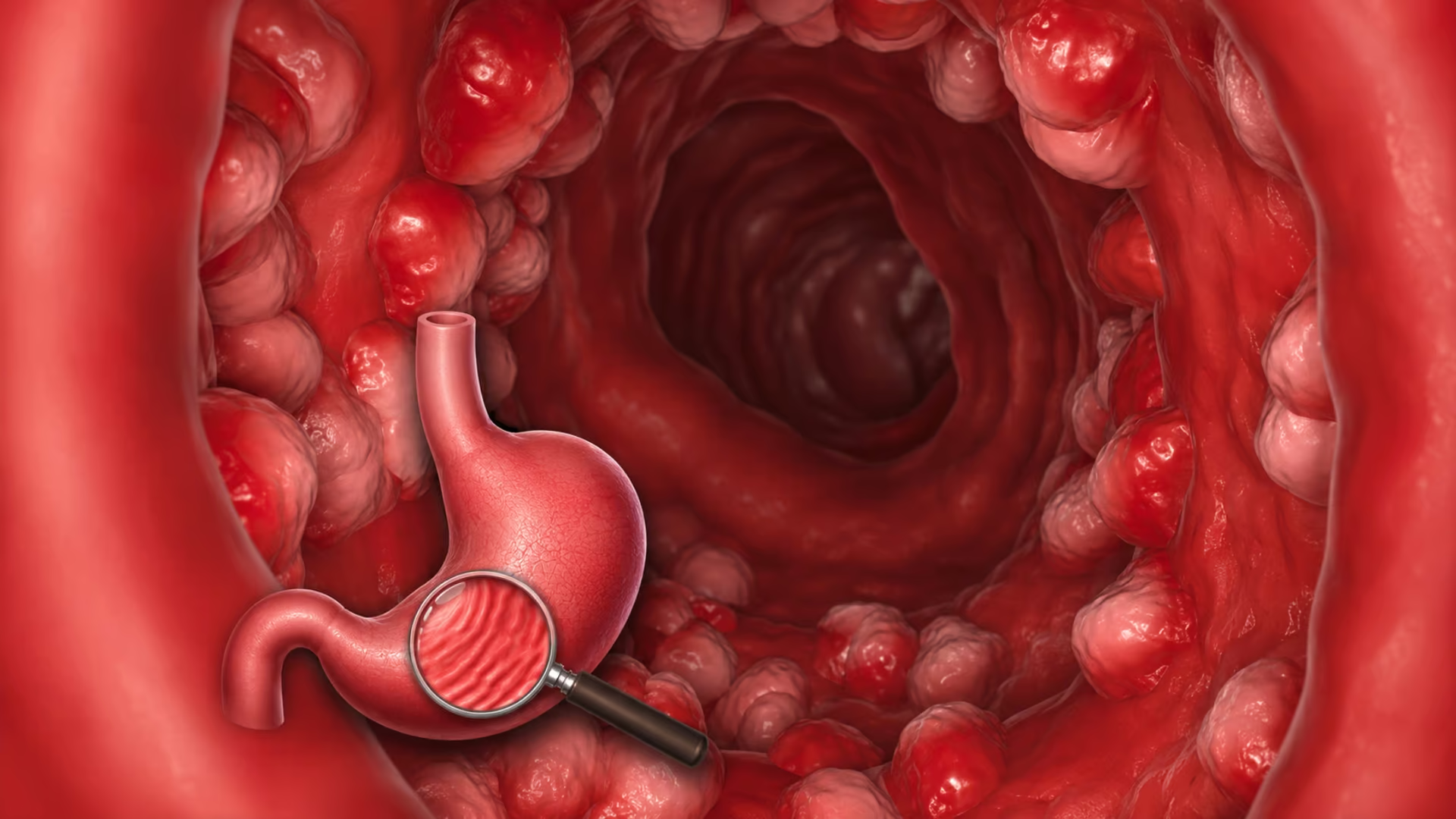
- Endoscopy and biopsy: A small camera passes through the mouth and throat into the stomach. Signs of inflammation, such as redness or swelling of the stomach lining, might be visible. In later stages of the disease, signs of shrinkage might be visible, as well as a pale, thinned stomach lining (1). A biopsy of stomach tissue may be taken and examined under the microscope for damage to or loss of specific stomach cells (1).
Does Having Another Autoimmune Disease Make it More Likely to Have Autoimmune Gastritis?
Autoimmune gastritis is more common in people with certain autoimmune diseases, specifically thyroid diseases, type 1 diabetes, hemolytic anemia, vitiligo, alopecia, rheumatoid arthritis, psoriasis, autoimmune hepatitis, myasthenia gravis, and Sjögren’s syndrome (3). People with one of these conditions should see their health provider immediately if they have any signs of autoimmune gastritis.
How is Autoimmune Gastritis Treated?
Sandy finally found relief through a multi-faceted approach to her care. She began practicing yoga, which helped her manage stress and improve her sleep. With the guidance of her healthcare provider, she adopted a customized diet and supplement plan tailored to her food sensitivities. After several weeks of this treatment, Sandy experienced a significant improvement—her digestive symptoms nearly disappeared, her anxiety lessened, and her sleep improved dramatically.
Since there currently isn’t a cure for autoimmune gastritis, treatment approaches focus on symptom relief, treatment of anemia, and lifestyle modifications.
Micronutrient supplementation
Healthcare providers may recommend taking vitamin B12 for pernicious anemia or iron supplements for iron deficiency anemia (2).
Symptom relief
Management of stomach symptoms such as dyspepsia, bloating, pain, and altered colonic transit can have a big impact on quality of life. Some things to try include (1):
- Eating a healthy diet rich in vegetables, grains, and fruits
- Consuming smaller meals spread throughout the day
- Avoiding high-protein meals
- Avoiding trigger foods such as spicy and fatty foods, citrus fruits, caffeine, alcohol, and carbonated beverages (4)
- Taking prokinetics for early fullness
- Taking Rifaximin and/or probiotics for bacterial overgrowth in the stomach
Lifestyle practices
Some lifestyle behaviors can exacerbate symptoms. Addressing these behaviors may improve disease management and quality of life. Lifestyle changes often focus on weight management, stress reduction, and smoking cessation (4).
In her practice, Blake recommends following a diet tailored to each individual’s unique triggers, such as allergies and food sensitivities. She notes, “My goals with autoimmune gastritis (and any autoimmune disease really) are to reduce the immune system burden, reduce inflammation, and support gut microbiome balance.” She also advises that avoiding certain foods and ingredients can be helpful.
What to avoid with autoimmune gastritis:
ultra-processed foods
processed meats
inflammatory fats (soybean/canola oil)
alcohol
excess sugar
fast food, spicy foods
Blake notes that an elimination diet might help identify problematic foods and ingredients for some.
Natural remedies
Despite limited evidence of their effectiveness, some people experience improvement using alternative or integrative approaches for managing symptoms. It’s crucial to discuss integrating any alternative therapies with a healthcare provider to make sure they’re safe and won’t negatively interact with conventional treatments. Acupuncture, herbal medicine, and mind-body techniques such as relaxation exercises, meditation, and yoga may offer some benefits (3).
Blake includes the gut microbiome in her treatment plan. She recommends adding probiotics to an anti-inflammatory meal plan, noting that “probiotics help to reduce inflammation, support gut microbial balance, reduce leaky gut, strengthen the small intestinal lining, and they’re also effective for managing Helicobacter pylori infections (an underlying factor for those with autoimmune gastritis).” As with any intervention, consult a healthcare provider before taking supplements, such as probiotics.
What’s on the Horizon for Autoimmune Gastritis?
While our understanding of and treatment for this complex disease is improving, there remains much to learn.
Researchers are studying new therapies to reduce stomach inflammation, prevent the development of, and reduce the progression of atrophy in autoimmune gastritis. Research is also exploring how to reduce the occurrence of and identify associated stomach cancer earlier (1).

About the Author

Tracy is a writer, child and adolescent psychiatrist, and leadership coach. Her journey into the world of autoimmune diseases began when she experienced sudden onset symptoms of multiple sclerosis early in her medical career. This personal experience, combined with her intense curiosity, has informed her work and writing in the field. As a writer, Tracy has contributed to various books and written articles related to mental health. She’s also written on various medical topics regularly contributing to publications such as GoodRx, Psychology Today, and Psychotherapy.net

Sources
- Article Sources
Orgler, E., et al. (2023). Autoimmune gastritis: update and new perspectives in therapeutic management. Current Treatment Options in Gastroenterology, 21(1), 64-77.
Lenti, M. V., et al. (2020). Autoimmune gastritis. Nature Reviews Disease Primers, 6(1), 56.
Livzan, M. A., et al. (2021). Chronic autoimmune gastritis: modern diagnostic principles. Diagnostics, 11(11), 2113.
Singh, S., et al. (2023). A Comprehensive Review of Upper Gastrointestinal Symptom Management in Autoimmune Gastritis: Current Insights and Future Directions. Cureus, 15(8).