What Is Gratitude?

It’s been on the shortlist for buzzword of the year for quite some time, conjuring up images of peaceful, cross-legged yogis and hands pressed together in prayer. But how many of us know what it truly means and why it can lead to improvements in our mental and physical health?
Gratitude may be thought of as an emotion, a behavior, an attitude, or even a virtue. While it is often represented as a simple “thank you” when receiving a gift or other kindness, gratitude goes much deeper. It is an active and profound appreciation for someone (including yourself) or something, that can have long-lasting positive and scientifically-measurable effects. This experience can elicit pleasurable feelings and positive emotions.
“I would maintain that thanks are the highest form of thought, and that gratitude is happiness doubled by wonder.” -G.K. CHESTERTON
In The Science of Subjective Well-Being, Michael Eid and Randy Larsen explain that “at the cornerstone of gratitude is the notion of undeserved merit. The grateful person recognizes that he or she did nothing to deserve the gift or benefit; it was freely bestowed.”
In gratitude, we acknowledge the goodness in life, whether we have a hand in it or not.
The effects on our mind and body
Practicing gratitude produces both immediate and long-term effects. Even a few minutes of focusing on our own positive qualities, the kindness of others, or the beauty of the natural world can enhance dopamine and serotonin, some of the “feel-good” neurotransmitters that regulate mood and other bodily functions.
A daily practice can even change neural structures in the brain and promote long-lasting feelings of happiness, reduce stress, and improve sleep (1).
The benefits don’t stop there. Research has shown that gratitude can decrease stress hormones like cortisol and produce a “shift in autonomic balance toward increased parasympathetic activity,” otherwise known as the “rest and digest” state (2). Being in a state of chronic stress state can put a strain on your immune system and make you more susceptible to a leaky gut and/or chronic infections. For individuals experiencing anxiety, sensitivities, and other health issues who may be operating in a chronic “fight or flight” mode, sending the body into a relaxed state can positively impact health and aid in the healing process.
A study conducted by the Chopra Foundation in collaboration with the University of San Diego and the University of Sterling, Scotland, found that engaging in a regular gratitude practice was associated with better mood, better sleep, less fatigue, and less inflammation in the study participants who were asymptomatic heart failure patients. Inflammation can cause autoimmune disease flare-ups and even directly trigger an autoimmune disease, so reducing overall inflammation can help you slow down the progression of your autoimmune disease.
People who consistently cultivate feelings of appreciation may also develop more optimism over time, better preparing them to navigate life’s challenges, such as autoimmune disease and chronic illnesses or the COVID-19 pandemic.
Through gratitude, we are reminded that there is more to our lives than the suffering we endure.
Practicing gratitude
When you are managing a chronic health condition with a body that’s in pain or severely fatigued, it is not easy to think about the good things. That is ok! Let yourself feel frustration, anger, and sadness, and know that they can be experienced alongside an appreciation for the good in your life.
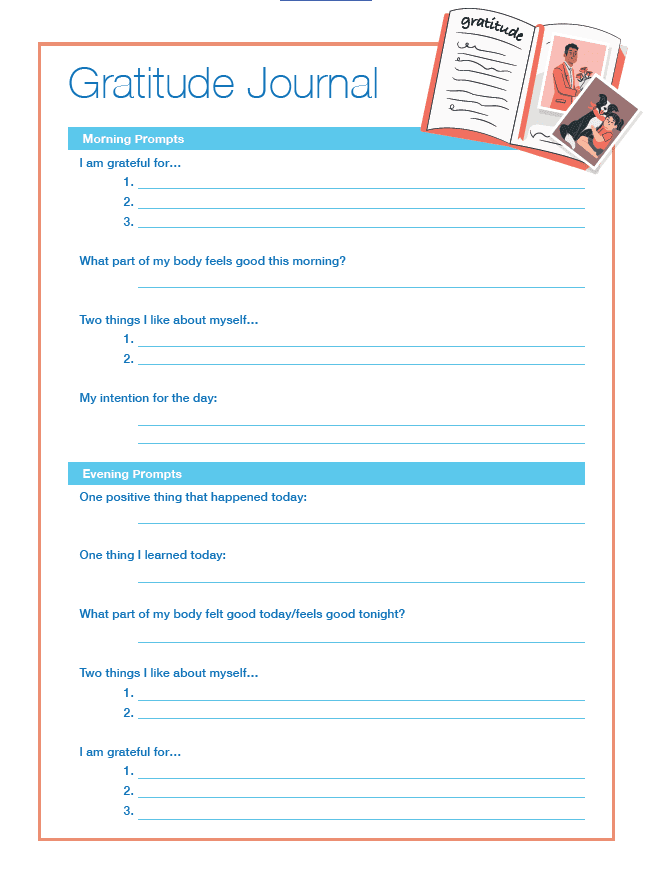
Keep a daily gratitude journal, or simply jot down a few things you’re grateful for when you have a minute or two. Start with simple things, like the feeling of sunshine on your face or hugs from your kids, or think about a close friend or family member. Let go of expectations and focus on the act itself, rather than what you hope to gain from doing it.
Think not only of what you’re grateful for in your life, but why
Ways to practice gratitude:
- list 3 to 5 things you’re grateful for each morning or night
- write yourself love notes or mantras to keep in visible places
- send warm, sincere messages of appreciation to friends and family
- create new family traditions or games to instill gratitude
- follow guided meditations (such as loving-kindness) in apps like Insight Timer, Headspace, Calm, or Happify
You may even set up a gratitude nook with candles, calming photos, items from nature like stones or leaves, and a peaceful music playlist. This can be a space to write in your gratitude journal, share quiet moments with your partner or family, or simply sit and let the calm wash over you. Practice gratitude in a way that feels good for you—your mind and body will thank you for it!
Get your FREE gratitude journal worksheet in our Autoimmune & Chronic Illness Toolkit