
IBD Nutrition Toolkit Updated for 2026 and Now Available in Spanish
ImproveCareNow has released an updated version of its Nutrition Toolkit, a free resource designed to help people with inflammatory bowel disease (IBD) and their families better understand the role of nutrition in IBD treatment and management.
The 2026 update includes revised content developed with members of ImproveCareNow’s Patient Advisory Council and Registered Dietitian group.
The organization focuses specifically on improving care for children and adolescents with Crohn’s disease and ulcerative colitis, the two major forms of IBD.
The toolkit combines patient experiences with guidance from nutrition professionals, covering topics such as total parenteral nutrition (TPN), special diets, nutritional drinks, nasogastric (NG) tubes, and tube feeding. It also discusses how nutritional interventions can be incorporated into comprehensive IBD care.
The full toolkit is also now available in Spanish.

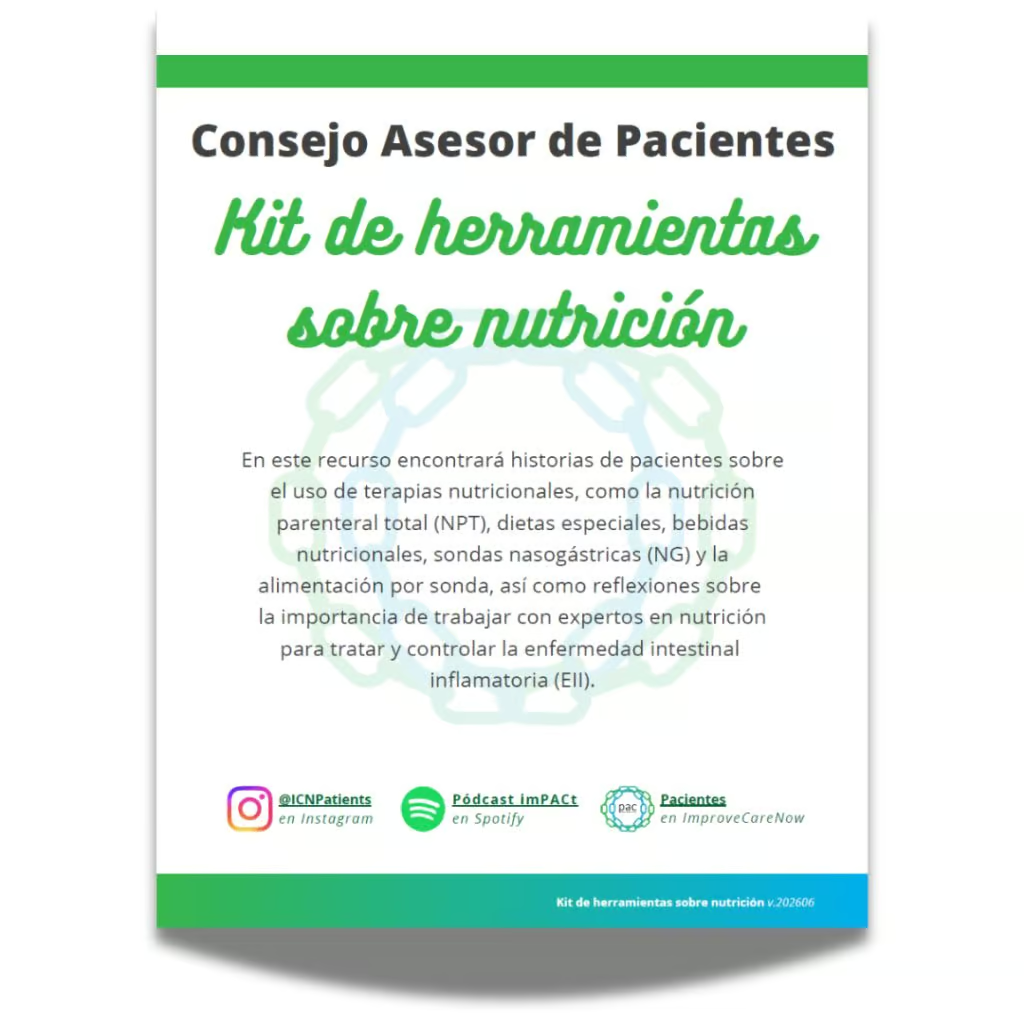
The translation is part of an ongoing effort by ImproveCareNow’s Health Equity Committee to make patient and caregiver resources available in additional languages. Several of the organization’s other resources are also available in Spanish, including materials on IBD accommodations and finding a mental health provider.
The Nutrition Toolkit is part of a much larger collection of free resources available through ImproveCareNow.
These patient- and caregiver-focused materials address many of the practical challenges that can come with living with IBD:
- School, college, travel, and workplace accommodations
- Mental health, coping, body image, and disordered eating
- Nutrition, hydration, feeding tubes, and ostomy care
- Transitioning from pediatric to adult care
- IBD surgery and shared decision-making
- Clinical research and health literacy
- Travel, holidays, summer activities, and sun safety
- Caregiver support and patient stories
ImproveCareNow also offers video series, patient perspectives, blog resources, and educational tools created with input from young people living with IBD, caregivers, clinicians, dietitians, and other members of its collaborative network.